
Does your flat roof leak after every storm, or hold water long after the rain stops? Low-slope roofs do not shed water the way steep roofs do, so the membrane, seams, flashing, and drainage have to do the work. Our crew installs, replaces, and services flat and low-slope roofing systems across Washington NC and Beaufort County, including TPO, EPDM, and modified bitumen. Prado’s Roofing brings hands-on flat roof experience to every project, so the system fits your property and keeps water moving where it should.
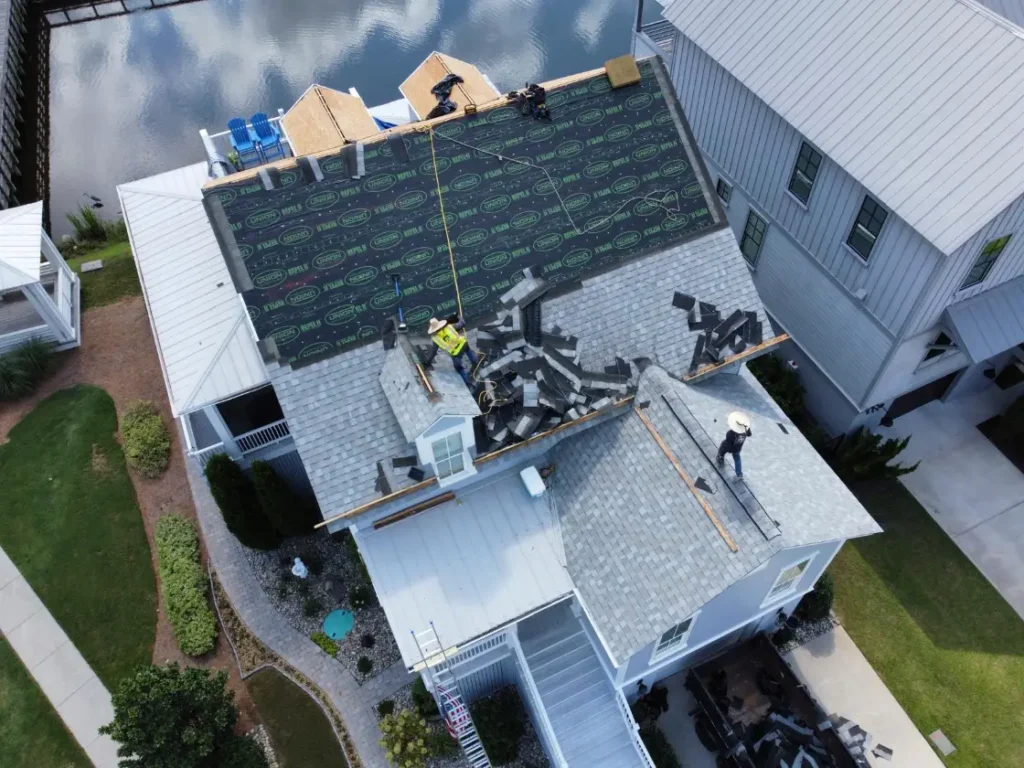
Three membrane systems
Additions, porches & garages
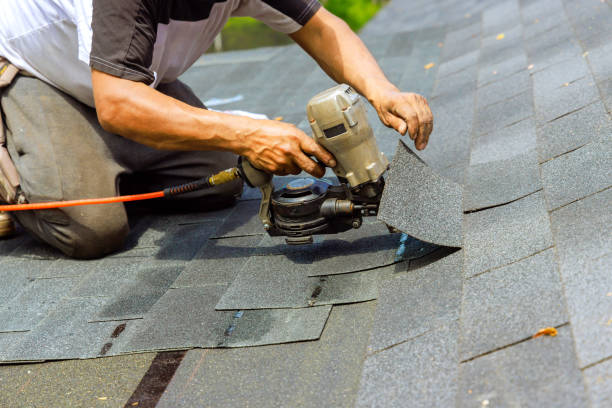
A flat roof is not really flat. It has a slight pitch, and water drains slowly across it. That changes what matters. On a low-slope roof, the membrane, the seams between sheets, the flashing at edges and walls, the penetrations, and the drainage points carry the performance.
When one of those details fails, water finds its way in. That is why this work is a specialty, and why the right system and a careful installation matter more than the name on the material.
We handle the full range of flat and low-slope work. Here is how our team helps.
You are not just picking a membrane. You are matching a system to your roof and how the
building is used. Here is a quick, fair comparison of the three we install.
| System | Surface | Good fit for |
|---|---|---|
| TPO | Reflective single-ply | Owners wanting a lighter, reflective membrane with welded seams |
| EPDM | Rubber single-ply | Flexible low-slope roofs where easy repair and maintenance help |
| Modified bitumen | Asphalt-based multi-ply | Sections that see foot traffic or need a tougher surface |
The right choice depends on the existing roof, the design, drainage, sun exposure, how the space is used,
and the substrate. We help you weigh it rather than pushing one membrane for every building.
Ponding is water that sits on the roof more than a day or two after rain. On a low-slope roof, that is a real concern, because standing water works on seams and the membrane over time. The cause is usually a drainage problem or a low spot where water has nowhere to go.
Our team assesses the slope and the drainage, checks the roof drains and scuppers, and looks for the low areas holding water. Then we correct what applies, whether that means clearing and reworking drainage paths or adding tapered insulation to build positive slope, so water leaves the roof instead of pooling on it.
Most flat-roof trouble starts at the details, not in the middle of the membrane. Here is what we address.
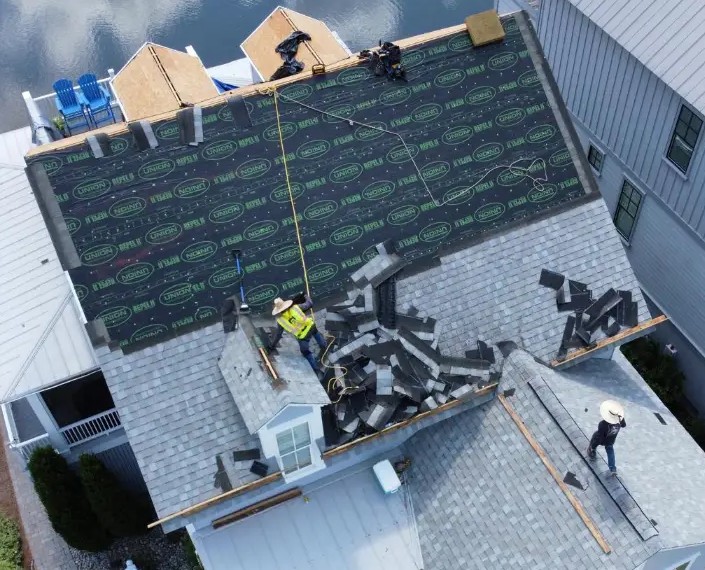
At seams, flashing, or penetrations.
And drainage problems.
Such as punctures, blisters, or deterioration.
Where sheets meet.
At edges, parapets, and walls.
Around pipes and equipment curbs.
A leak often shows up inside somewhere different from where water entered, because water travels along the deck and components before it drips through. That is why we assess the whole system, not just the wet spot. For a single repair, our roof repair service handles it.
Here is how our crew delivers a flat roof from first look to final check.
Type, membrane, condition, drainage, and problem areas
For the building, design, substrate, drainage, and exposure
Including tear-off where needed
Membrane, seams, flashing, penetrations, edges, and drainage
Before we call it done
Each step protects a point where a low-slope roof tends to fail. A membrane installed with careful seams and proper flashing performs far better than one rushed into place. We treat the roof as one water-management system.
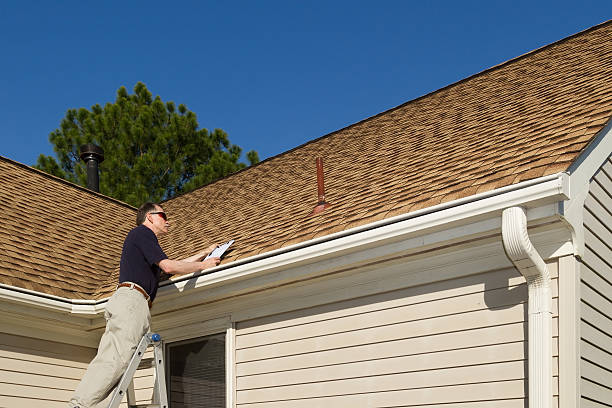
Your home does not have to be fully flat-roofed to need this service. A small low-slope section still needs a real membrane system, not shingles. We install and service flat roofs on home additions, porches, garages, dormers, and other low-slope areas.
If you added a sunroom off the back or have a low-slope garage that keeps leaking, that section needs the same care as a full flat roof, and we handle it.
Roofs near the Pamlico River deal with heavy rain, wind-driven rain, humidity, and hurricane-season weather, and each one shapes how we build a flat roof.
Heavy rain makes drainage and tight flashing at edges and penetrations the priority. Wind-driven rain makes secure terminations and edge detail matter. Humidity and moisture raise the stakes on water intrusion, so we detail the membrane and transitions to keep water out. These are the conditions we account for on every low-slope project in the area.
We document our own work: TPO, EPDM, and modified bitumen installs, low-slope repairs, and drainage and flashing detail work, with before-and-after photos where we have them. Every image on this page is from a real project, so you can see the workmanship rather than take our word for it.
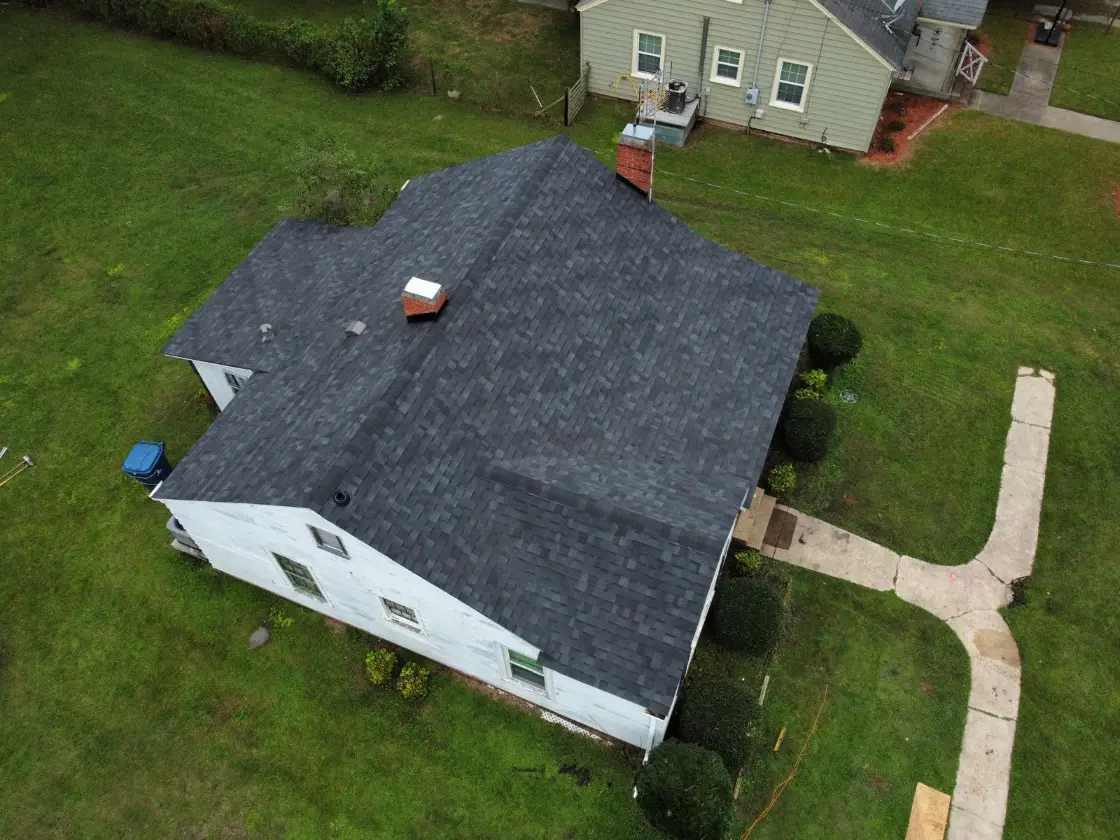
We recommend TPO, EPDM, or modified bitumen based on your roof and how it is used, not one membrane for every building.
Seams, flashing, penetrations, edges, and drainage get the care that keeps a low-slope roof watertight.
Years of flat and low-slope membrane work on homes across Washington NC and Eastern North Carolina.
You know what we are doing and why, from the estimate through the final inspection.
Coverage for the work we perform.
On new installations where it applies.
We explain why a membrane fits your roof instead of pushing a name.
“Water pooled on our low-slope roof every time it rained. They corrected the drainage and installed a new membrane, and it has stayed dry since.”
“They tracked down a flat-roof leak two other companies missed and sealed the seam and flashing properly.”
“New TPO roof on our porch addition. Clean work and clear communication.”
“Our garage had an old rubber roof that leaked for years. The new EPDM they installed finally fixed it.”
“Honest crew. They explained why they recommended modified bitumen for our low-slope section instead of upselling us.”
“Great communication from the estimate to cleanup. The flat roof on our addition looks solid.”
Still have a question about flat roofing? Call us and we will answer it straight.
We install three membrane systems: TPO, EPDM, and modified bitumen, matched to your roof and how it is used.
TPO is a reflective single-ply membrane with welded seams. EPDM is a flexible rubber membrane. Both suit low-slope roofs.
No. It has a slight slope so water can drain. That is why it is often called a low-slope roof.
Usually a drainage problem or a low spot. Standing water stresses seams and the membrane, so it is worth correcting.
Yes. We assess the membrane, seams, flashing, and penetrations to find the source. For detailed repairs, see our roof repair service.
When the membrane or overall system is past a localized fix. An assessment of the condition and drainage tells you where it stands.
Yes, including additions, porches, garages, and other low-slope sections. A small low-slope area still needs a membrane system.
Call our team or request a free estimate, and we will assess your roof and recommend the right system.
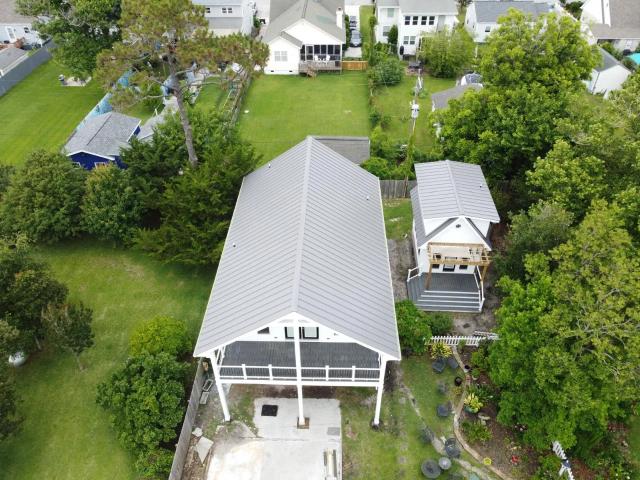
Need a new flat roof, a replacement, or help with a leaking or ponding low-slope roof? Tell us about your property and we will recommend the right roofing system and give you a clear estimate.